
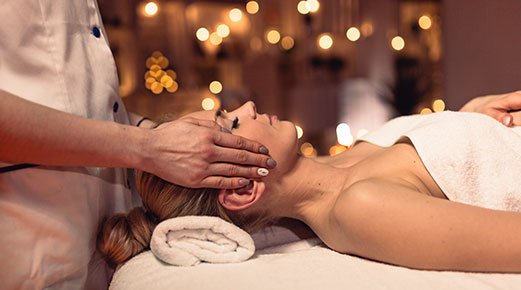
The spa and wellness industry continues to evolve, blending cutting-edge technology with timeless relaxation techniques. As we move through 2025, spa managers and business owners face a dynamic landscape shaped by changing customer expectations, health consciousness, and innovation. Whether you’re operating a boutique day spa or a luxury resort, staying ahead of the trends is essential for growth and relevance.
Here are the top spa management trends shaping 2025:
1. Hyper-Personalized Wellness Experiences
Gone are the days of one-size-fits-all treatments. In 2025, personalization is the new luxury. Using data analytics, AI tools, and advanced consultation software, spas are offering customized therapies based on individual stress levels, skin conditions, hormonal cycles, and even genetic profiles. Wellness programs are now being curated like personal fitness plans—with measurable outcomes and regular reassessments.
2. AI-Powered Spa Operations
Artificial intelligence isn’t just for Silicon Valley. AI tools are streamlining scheduling, client communication, inventory management, and even staff performance reviews. Predictive analytics help managers anticipate booking trends, optimize staff shifts, and reduce product waste. Chatbots and virtual assistants are enhancing customer service, handling booking inquiries 24/7 with a human-like touch.
3. Touchless and Tech-Enhanced Treatments
The post-pandemic shift toward hygiene-conscious, contact-free experiences remains strong. High-tech treatments such as LED light therapy beds, cryotherapy chambers, infrared saunas, and zero-gravity massage chairs are becoming staples. These services offer rejuvenation without the need for physical interaction, appealing to tech-savvy clients who value privacy and efficiency.
4. Sustainability and Eco-Conscious Operations
Green is more than a color; it’s a business strategy. Clients are demanding transparency and accountability in sustainability practices. This includes the use of organic products, energy-efficient facilities, plastic-free packaging, and carbon-offset programs. Some spas are integrating biophilic design—bringing natural elements like water features and plant walls indoors—to enhance the wellness experience and reduce stress.
5. Mental Wellness Integration
Mental health has moved front and center in spa offerings. Meditation pods, digital detox retreats, breathwork classes, sound baths, and even spa therapy sessions with licensed professionals are now commonly included in service menus. More spas are partnering with wellness coaches, psychologists, and mindfulness experts to support a more holistic definition of health.
6. Hybrid Spa Models: In-Person + Virtual
Remote wellness is here to stay. Forward-thinking spas are launching digital memberships, virtual consultations, guided relaxation apps, and video-based tutorials. This hybrid model not only adds value for clients who can’t visit in person but also builds a scalable revenue stream. Imagine offering a monthly “at-home spa box” with QR codes linking to guided experiences—it’s already happening.
7. Data-Driven Decision Making
With CRM platforms and cloud-based management software becoming more sophisticated, spa managers now have access to real-time performance metrics. From tracking client retention to analyzing the ROI of new treatments, data is driving smarter business decisions. In 2025, it’s not just about offering great service—it’s about proving its value with numbers.
8. Workforce Wellness and Retention
Staff burnout is a real concern in service industries. To retain skilled professionals, spas are investing in employee wellness programs, flexible scheduling, mental health support, and ongoing training. A happy, well-supported team leads to better client experiences—and stronger business outcomes.
9. Inclusive and Accessible Wellness
The industry is embracing broader definitions of beauty and wellness. This means designing experiences that are inclusive of all ages, body types, skin tones, gender identities, and physical abilities. From wheelchair-accessible treatment rooms to gender-neutral services and culturally sensitive therapies, inclusivity is becoming a core value, not a marketing trend.
10. Experiential Design and Storytelling
Spas are leaning into immersive experiences and thematic storytelling. Think rainforest-inspired treatment rooms, ancient healing rituals from different cultures, or multi-sensory journeys combining scent, sound, and light. Clients are seeking not just services, but memorable narratives that connect them to deeper meaning and transformation.
Final Thoughts
The spa of 2025 is more than a place to unwind—it’s a smart, ethical, and immersive wellness hub. For spa managers, embracing innovation while staying grounded in authentic care is key. The future belongs to those who can combine data with empathy, tech with touch, and personalization with purpose.
Whether you’re updating your spa software or reimagining your service menu, now is the time to align your strategy with these forward-looking trends. The clients of tomorrow are already here—are you ready to meet them?